

Motion sickness is one of those invisible discomforts that can completely derail an otherwise enjoyable journey—whether you’re taking a road trip across the country, sailing on a cruise, or even riding in a car as a passenger. For many, the nausea, dizziness, and cold sweats associated with motion sickness aren’t just unpleasant; they’re debilitating. While there are numerous remedies available—from wristbands to over-the-counter pills—one of the most effective and convenient solutions gaining popularity is the motion sickness patch. These small, discreet adhesive patches deliver medication transdermally (through the skin), offering long-lasting relief without the need for frequent dosing or swallowing pills.
But with so many options on the market, how do you choose the right one? Not all patches are created equal. Some contain prescription-strength ingredients like scopolamine, while others use natural alternatives such as ginger or essential oils. Some are designed for short-term use during a single flight, while others can last up to three days. With varying price points, effectiveness levels, and potential side effects, selecting the best motion sickness patch requires more than just grabbing the first box you see at the pharmacy. That’s where this comprehensive buyer’s guide comes in.
In this article, you’ll learn everything you need to know to make an informed decision. We’ll break down the key factors to consider when shopping for a motion sickness patch, compare different types and brands, highlight common mistakes to avoid, and provide expert-backed tips to help you get the best value. Whether you’re a frequent traveler, a seasick-prone cruiser, or someone who just wants peace of mind on your next family road trip, this guide will equip you with the knowledge to choose a patch that works reliably, safely, and affordably for your unique needs.
The motion sickness patch market has evolved significantly over the past decade. Once dominated by a single prescription option—Transderm Scop—it now includes a growing number of over-the-counter alternatives, including homeopathic and herbal patches. This expansion offers consumers greater choice but also increases confusion. Are natural patches as effective as pharmaceutical ones? Can you really trust a patch that costs $5 versus one that costs $30? How do you know if a patch is safe for children or pregnant women? These are all valid questions, and we’ll answer them thoroughly.
Our goal isn’t to push any particular brand or product. Instead, we aim to empower you with objective, research-based insights so you can confidently select a motion sickness patch that aligns with your health profile, travel habits, and budget. By the end of this guide, you’ll understand not only what to look for but also how to use your chosen patch correctly to maximize its benefits and minimize risks. Let’s dive in.
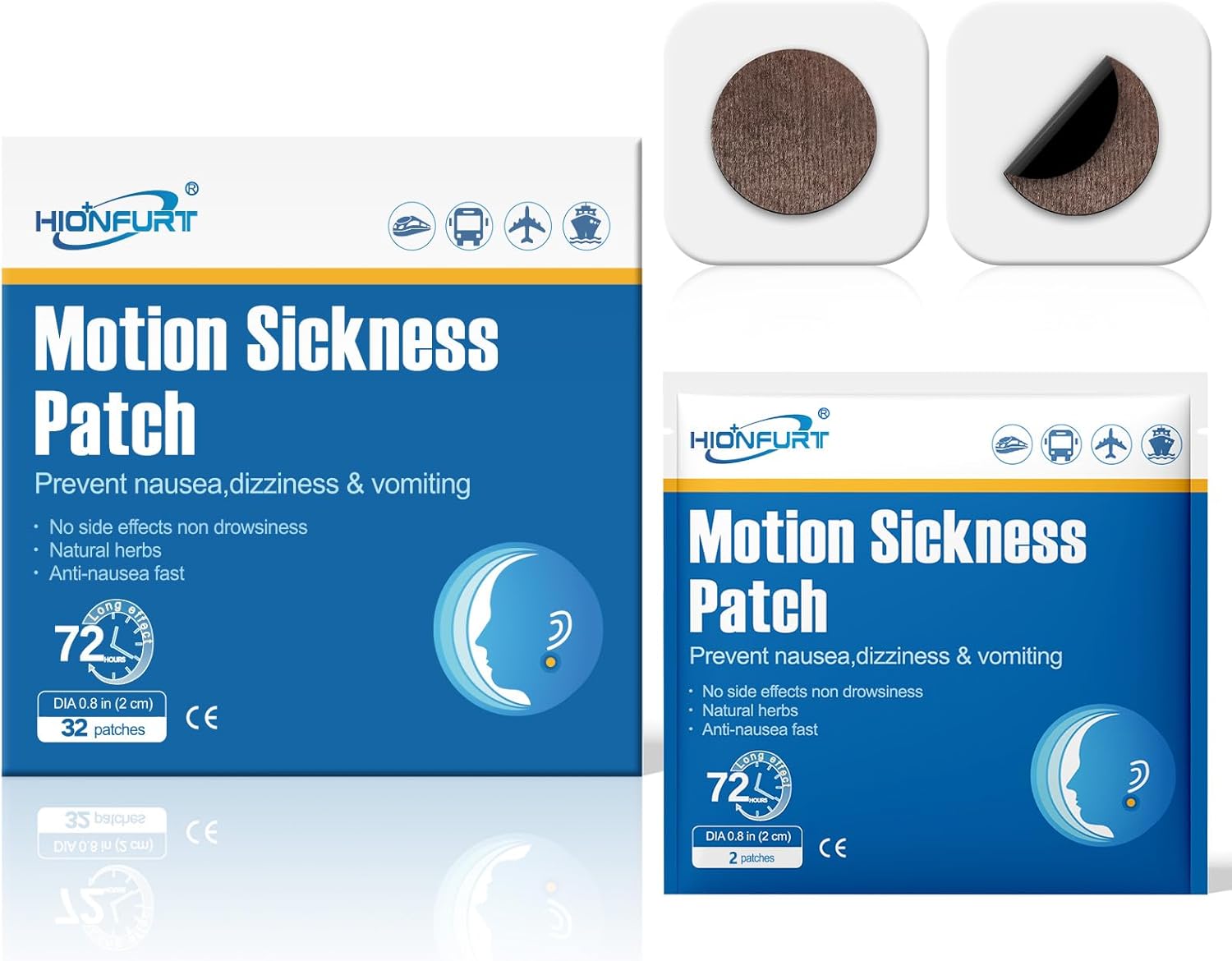
What to Look for When Buying a Motion Sickness Patch
1. Active Ingredient & Mechanism of Action
The most critical factor when choosing a motion sickness patch is understanding what’s inside it. The active ingredient determines how the patch works, how effective it is, and who can safely use it. The gold standard in prescription patches is scopolamine, a potent anticholinergic drug that blocks signals in the brain responsible for nausea and vomiting. It’s been used since the 1970s and is clinically proven to prevent motion sickness for up to 72 hours. However, scopolamine can cause side effects like drowsiness, dry mouth, blurred vision, and—in rare cases—confusion or hallucinations, especially in older adults.
On the other hand, over-the-counter patches often rely on natural ingredients like ginger extract, peppermint oil, or homeopathic blends. While these are generally safer and have fewer side effects, their efficacy is less consistently supported by scientific studies. Some users report significant relief, while others notice little to no difference. If you’re prone to severe motion sickness—especially on cruises or long flights—a scopolamine-based patch may be your best bet. But if you experience mild symptoms or prefer drug-free options, a natural patch could suffice. Always read the label carefully and consult your doctor if you’re unsure.
2. Duration of Effectiveness
Not all patches last the same amount of time. Most prescription scopolamine patches are designed to provide continuous relief for 72 hours (three days), making them ideal for multi-day cruises or extended travel. Over-the-counter alternatives vary widely—some claim to work for 8–12 hours, while others advertise 24- to 48-hour coverage. Consider your travel plans: if you’re taking a short domestic flight, a 12-hour patch might be sufficient. But if you’re embarking on a week-long ocean voyage, you’ll want something longer-lasting.
Also, pay attention to how quickly the patch starts working. Scopolamine patches typically begin reducing symptoms within 4–6 hours of application, so it’s recommended to apply them the night before travel. Natural patches may act faster—sometimes within 30–60 minutes—but their effects may not last as long. Timing matters: applying a patch too late could leave you vulnerable during the initial phase of your journey.
3. Safety Profile & Side Effects
Safety should never be an afterthought. Prescription patches, while highly effective, come with notable risks. Scopolamine can interact with other medications, including antihistamines, antidepressants, and certain heart drugs. It’s also not recommended for children under 12, pregnant women (especially in the first trimester), or individuals with glaucoma, urinary retention, or certain neurological conditions. Common side effects include dry mouth, drowsiness, and dizziness—some users describe feeling “spaced out” or unusually tired.
Natural patches are generally considered safer, with minimal side effects. However, even “natural” doesn’t mean risk-free. Essential oils like peppermint or eucalyptus can cause skin irritation or allergic reactions in sensitive individuals. Homeopathic patches often contain highly diluted substances, which some experts argue have no pharmacological effect beyond a placebo. Always patch-test on a small area of skin before full application, and discontinue use if you experience redness, itching, or swelling.
4. Ease of Use & Application
A patch is only useful if you can apply it correctly and comfortably. Most patches are applied behind the ear, where the skin is thin and absorption is optimal. Look for designs that are easy to remove from the backing, stay securely in place, and don’t leave sticky residue. Some patches are waterproof, which is a major plus if you’re swimming, sweating, or caught in the rain. Others may peel off during sleep or physical activity.
User-friendly features matter too. Clear instructions, pre-cut application sites, and hypoallergenic adhesives can make a big difference—especially for children or older adults. Avoid patches that require cutting or folding, as this increases the risk of incorrect dosing. Also, check whether the patch needs to be applied a specific number of hours before travel; failing to do so could render it ineffective.
5. Brand Reputation & Clinical Backing
Not all brands are created equal. Established pharmaceutical companies like Novartis (maker of Transderm Scop) have decades of clinical research and regulatory approval behind their products. Their patches undergo rigorous testing for safety, efficacy, and consistency. In contrast, many OTC patches are sold by smaller companies or sold under store brands, with limited transparency about sourcing, manufacturing, or testing.
Look for brands that provide clear information about their ingredients, manufacturing standards (e.g., FDA-registered facilities), and customer support. Check for third-party certifications or seals of approval from organizations like USP (United States Pharmacopeia) or NSF International. Online reviews can be helpful, but be wary of overly positive or suspiciously uniform feedback—some sites manipulate ratings. Instead, focus on detailed, balanced reviews from real users who describe both pros and cons.
6. Price & Value for Money
Motion sickness patches range from under $10 for a pack of natural patches to over $50 for a single prescription dose. While price shouldn’t be the only deciding factor, it’s important to assess value. A $5 patch that lasts 8 hours may seem cheap, but if you need to replace it three times during a cruise, you’ll end up spending more than if you’d bought a $30 patch that lasts 72 hours.
Consider cost per use, not just upfront price. Also, factor in convenience: a longer-lasting patch means fewer applications and less risk of forgetting to reapply. Insurance may cover prescription patches with a doctor’s note, potentially reducing out-of-pocket costs. For frequent travelers, investing in a reliable, long-acting patch can save money and stress in the long run.
7. Portability & Discreetness
If you’re traveling, you’ll want a patch that’s easy to carry and doesn’t draw attention. Most patches are small and lightweight, fitting easily into a travel kit or purse. However, some come in bulky packaging or require refrigeration (rare, but possible with certain formulations). Discreetness is also key—nobody wants to explain why they have a patch behind their ear at airport security. Most modern patches are flesh-toned or translucent and barely noticeable once applied.
For children or teens, a discreet patch can reduce embarrassment and increase compliance. Some brands offer fun designs or colorful variants, which may help younger users feel more comfortable. Just ensure the adhesive is strong enough to stay put during play or sports.
8. Availability & Accessibility
Prescription patches require a doctor’s visit and a pharmacy pickup, which can be inconvenient if you’re traveling on short notice. Over-the-counter patches are widely available at drugstores, supermarkets, and online retailers like Amazon, CVS, or Walgreens. However, selection varies by region—some rural areas may carry only one or two brands.
Online shopping offers greater variety and often better prices, but shipping times matter. If you need a patch urgently, local pickup may be your best option. Also, check return policies: some retailers won’t accept returns on opened health products due to hygiene concerns. Buying from a seller with a flexible return window gives you peace of mind if the patch doesn’t work for you.
Different Types of Motion Sickness Patches

Common Buying Mistakes to Avoid

❌ Mistake: Choosing Based Solely on Price
Why it’s bad: Opting for the cheapest patch without considering ingredients or duration can lead to disappointment. A $5 patch that wears off after 4 hours won’t help on a 12-hour flight.
What to do instead: Evaluate cost per hour of protection and match the patch to your travel duration and symptom severity.
❌ Mistake: Ignoring Application Timing
Why it’s bad: Applying a scopolamine patch right before boarding won’t give it time to take effect. You could end up nauseous within minutes.
What to do instead: Apply prescription patches 4–6 hours before travel, or the night before. For natural patches, follow label instructions carefully.
❌ Mistake: Assuming All Natural Patches Are Safe
Why it’s bad: Natural ingredients can still cause allergic reactions or interact with medications. Ginger, for example, may increase bleeding risk if you’re on blood thinners.
What to do instead: Read ingredient lists, do a patch test, and consult your doctor if you have underlying health conditions.
❌ Mistake: Using Patches on Children Without Guidance
Why it’s bad: Most prescription patches aren’t approved for kids under 12. Using them off-label can be dangerous.
What to do instead: Choose age-appropriate OTC options and follow pediatric dosing guidelines. Never use adult patches on children.
❌ Mistake: Storing Patches Improperly
Why it’s bad: Heat, moisture, or sunlight can degrade active ingredients, reducing effectiveness.
What to do instead: Store patches in a cool, dry place, away from direct light. Keep them in original packaging until use.
❌ Mistake: Not Having a Backup Plan
Why it’s bad: Patches can fall off, expire, or simply not work for you. Relying on one method is risky.
What to do instead: Carry complementary remedies like ginger chews, acupressure bands, or anti-nausea medication as a backup.
Budget Guidelines: How Much Should You Spend?
– Entry-Level ($5–$15): Ideal for occasional travelers or those with mild symptoms. Expect natural or homeopathic patches with shorter duration (8–24 hours). Quality varies, so read reviews carefully.
– Mid-Range ($15–$30): The sweet spot for most buyers. Includes reputable OTC patches with better ingredients, longer wear time, and improved adhesives. Great for weekend trips or short cruises.
– Premium ($30–$50): Best for frequent travelers or those with severe motion sickness. Typically prescription-grade scopolamine patches with 72-hour protection and clinical backing.
– Luxury ($50+): Rare, but may include specialty formulations, travel kits, or patches with added features like aromatherapy or extended-release technology. Usually unnecessary unless you have unique medical needs.

Expert Tips for Getting the Best Deal
– Buy in bulk: Some online retailers offer discounts when you purchase multiple patches. If you cruise or fly regularly, this can save money long-term.
– Check pharmacy loyalty programs: Stores like CVS, Walgreens, and Rite Aid often have member-exclusive discounts on OTC health products.
– Time your purchase: Motion sickness patches see higher demand in spring and summer (travel season). Shop in winter for potential clearance sales.
– Use manufacturer coupons: Brands like Transderm Scop offer savings cards or rebates on their websites. Sign up for newsletters to get promo codes.
– Compare online vs. in-store prices: Online retailers often have lower prices and wider selection, but factor in shipping time and costs.
– Read return policies: Choose sellers that allow returns on unopened packages. This lets you test a patch risk-free.
– Ask your doctor: Some physicians provide sample patches or can write a prescription that’s partially covered by insurance.
– Test before your big trip: Try a patch on a short drive or flight first to gauge effectiveness and side effects.

Frequently Asked Questions
Q: Can I wear a motion sickness patch while pregnant?
A: Scopolamine patches are generally not recommended during pregnancy, especially in the first trimester, due to potential risks to the fetus. Natural patches may be safer, but always consult your OB-GYN before use.
Q: How do I remove a patch safely?
A: Gently peel it off like a bandage. If residue remains, use mild soap and water or a bit of olive oil to dissolve the adhesive. Avoid pulling too hard to prevent skin irritation.
Q: Can I shower or swim with a patch on?
A: Most prescription patches are waterproof, but prolonged exposure to water (like swimming) may loosen the adhesive. Pat dry gently after water activities.
Q: What if the patch falls off?
A: If it falls off within the first 24 hours, replace it with a new one. If it’s been longer, the medication may have already been absorbed, so replacement may not be necessary.
Q: Are motion sickness patches addictive?
A: No. Scopolamine is not addictive, but sudden discontinuation after long-term use can cause rebound dizziness in rare cases.
Q: Can I use a patch with other medications?
A: Possibly, but check with your pharmacist. Scopolamine can interact with sedatives, antihistamines, and certain psychiatric drugs.
Q: Do patches work for car sickness?
A: Yes, especially for passengers. However, drivers should avoid patches that cause drowsiness, as they can impair reaction time.
Q: How long do side effects last after removal?
A: Most side effects (like dry mouth or drowsiness) fade within a few hours after removing the patch. If symptoms persist, contact a healthcare provider.
Our Final Recommendations
– Best for Budget-Conscious Buyers: Sea-Band Naturals Ginger Patch – Affordable, drug-free, and effective for mild symptoms. Great for occasional use.
– Best Overall Value: Motioneaze Patch – Combines natural ingredients with extended 24-hour wear. Reliable, well-reviewed, and reasonably priced.
– Best Premium Option: Transderm Scop (Scopolamine) – The gold standard for severe motion sickness. Clinically proven, 72-hour protection. Requires a prescription.
– Best for Beginners: ReliefPatch Motion Sickness Relief – Easy to use, hypoallergenic, and comes with clear instructions. Ideal for first-time users.
– Best for Advanced Users: Scopolamine Patch (Generic) – Same active ingredient as Transderm Scop but often cheaper. Best for frequent travelers who know how to manage side effects.
Conclusion: Making the Right Choice
Choosing the right motion sickness patch isn’t just about finding the strongest or cheapest option—it’s about matching the product to your body, your travel habits, and your comfort level with medication. Whether you opt for a clinically proven scopolamine patch or a gentle herbal alternative, the key is informed decision-making. Consider your symptom severity, trip duration, health status, and personal preferences before buying.
Don’t let motion sickness steal the joy from your adventures. With the right patch, you can focus on the destination, not the discomfort. Use this guide as your roadmap, prioritize safety and effectiveness, and always have a backup plan. Your next journey deserves to be smooth, enjoyable, and nausea-free. Safe travels!