
Have you ever wondered how a smart bird feeder knows when to open or close, or how it captures amazing photos of visiting birds? If you love watching birds and want to bring nature closer to your home, understanding how a smart bird feeder works can change the way you enjoy your feathered friends.
This simple yet clever device uses technology to make bird watching easier and more exciting for you. Keep reading, and you’ll discover the secrets behind this innovative gadget and how it can transform your outdoor experience.
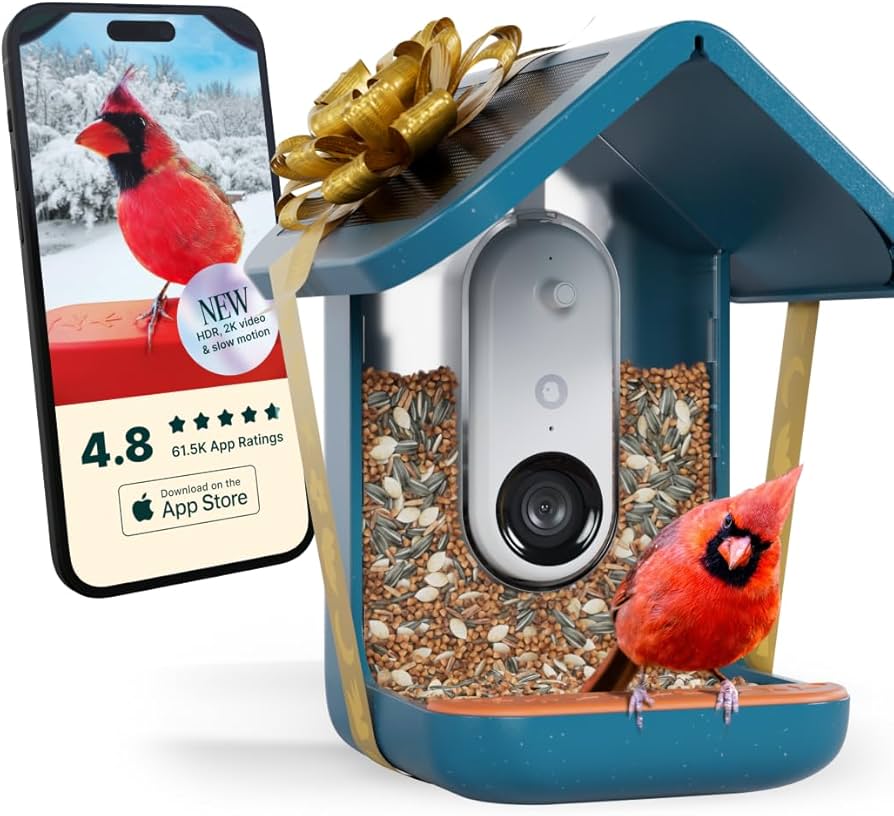
Credit: www.amazon.com
Tech Features Of Smart Bird Feeders
Smart bird feeders use advanced technology to attract and feed birds efficiently. These feeders combine sensors, wireless options, and power solutions to work smoothly. Understanding these tech features helps users see how they improve bird watching and feeding experiences.
Sensors And Detection Mechanisms
Smart bird feeders have sensors that detect bird presence. Motion sensors or infrared detectors trigger the feeder to release seeds. This reduces waste by feeding only when birds arrive. Some models identify specific bird species using size or movement patterns. These sensors ensure the feeder works only when needed, saving food and energy.
Wireless Connectivity Options
Many smart feeders connect to Wi-Fi or Bluetooth. This lets users receive real-time alerts on their phones. They can see photos or videos of visiting birds remotely. Some feeders link to apps for easy control and monitoring. Wireless connectivity keeps users connected to their feeders from anywhere.
Power Sources And Battery Life
Smart bird feeders use batteries or solar power. Rechargeable batteries offer long-lasting use without frequent changes. Solar panels charge the feeders during daylight, reducing battery needs. Energy-efficient parts help the feeder work longer on less power. Reliable power sources make smart feeders low-maintenance and eco-friendly.
Types Of Smart Bird Feeders
Smart bird feeders bring new ways to enjoy bird watching. They use technology to attract and observe birds easily. Different types of smart feeders offer unique features. These features help you feed birds and learn about them better.
Camera-equipped Feeders
These feeders have built-in cameras. They take photos or videos of visiting birds. You can see birds up close without disturbing them. Some cameras send live streams to your phone or computer. This helps you watch birds anytime and anywhere.
App-controlled Feeders
App-controlled feeders connect to your smartphone. You use the app to control feeding times and amounts. Some apps let you see real-time bird visits. You can get alerts when birds come to feed. This type gives you full control from a distance.
Automated Dispensing Systems
These feeders release food at set times automatically. They help keep a steady food supply for birds. You can program feeding schedules for different days and hours. This system reduces the need to refill often. It is perfect for busy bird lovers.
How Smart Feeders Attract Birds
Smart bird feeders attract birds using clever technology and natural signals. They create a welcoming space that draws birds close. These feeders use food, sounds, and environmental cues to invite birds to visit often.
Food Selection And Dispensing
Smart feeders offer the right food for each bird type. They dispense seeds or nectar in small amounts. This keeps food fresh and appealing. Some feeders even adjust food based on bird preferences. This ensures birds find tasty treats every time.
Sound And Light Cues
Many smart feeders use soft sounds to catch birds’ attention. Gentle calls or nature sounds mimic bird communication. Light sensors activate small LED lights to signal feeding times. These cues help birds locate the feeder easily, especially in low light.
Environmental Adaptations
Smart feeders adapt to weather and surroundings. They protect food from rain and wind. Some use sensors to open only when birds approach. This reduces waste and keeps food safe. The design blends well with nature, making birds feel secure.
Setting Up A Smart Bird Feeder
Setting up a smart bird feeder is simple and enjoyable. It lets you watch birds closely and keeps your feeder working well. Follow clear steps to start your bird feeding experience right.
Choosing The Right Location
Pick a spot with good sunlight and shade. Place the feeder where birds feel safe from cats or other animals. Near trees or bushes is best for birds to rest. Avoid windy or busy areas to keep birds calm. Make sure you can reach the feeder easily for refills and cleaning.
Connecting To Wi-fi And Apps
Connect your feeder to your home Wi-Fi for live updates. Use the app that comes with your feeder to control settings. The app shows bird visits and sends alerts. Follow simple steps in the app to link your feeder. Ensure your Wi-Fi signal is strong at the feeder’s spot.
Maintaining And Cleaning
Clean your feeder regularly to stop mold and germs. Empty old seeds and wash parts with mild soap and water. Rinse well and dry before refilling. Check batteries or power source often to keep it working. Regular care helps birds stay healthy and your feeder last longer.
Benefits Of Using Smart Bird Feeders
Smart bird feeders offer many benefits for bird lovers and nature watchers. They bring technology into bird feeding, making the experience richer and easier. These feeders help people enjoy birds more, learn about them, and care for them better.
Enhanced Bird Watching Experience
Smart bird feeders attract birds with precise timing and food types. They allow close-up views without disturbing the birds. Cameras capture clear photos and videos automatically. Bird watchers see more bird species and behaviors at home.
Data Collection And Bird Identification
These feeders collect data on bird visits and habits. They use sensors and software to identify bird species. Users learn about local bird populations and migration patterns. The data helps scientists and bird lovers understand birds better.
Remote Monitoring And Control
Smart feeders connect to smartphones or computers. Users check bird activity anytime from anywhere. They adjust feeding schedules and food supply remotely. This control keeps birds safe and feeders well stocked.

Credit: www.feathersnapcam.com
Challenges And Limitations
Smart bird feeders bring new ways to watch birds. Yet, they come with some challenges and limits. These can affect how well they work and how birds react.
Technical Glitches And Reliability
Smart bird feeders use sensors and apps to track birds. Sometimes, sensors may not work right. This can cause wrong bird counts or missed visits. Wi-Fi or battery issues can stop the feeder from sending data. Users might face delays or errors in notifications. Regular maintenance is needed to keep them working well.
Cost Considerations
Smart bird feeders often cost more than regular feeders. The price includes technology like cameras and sensors. Some models need extra fees for app features. Battery or power supply costs add up over time. This can make them less affordable for some bird lovers. It’s important to weigh the benefits against the price.
Impact On Bird Behavior
Birds may act differently around smart feeders. Lights, sounds, or movements can scare some birds away. Others might get used to the new feeder over time. Feeding patterns could change, affecting natural habits. Too much human interaction through devices might disturb them. Careful design helps reduce these effects on birds.
Future Trends In Smart Bird Feeding
The future of smart bird feeders is bright and full of innovation. These feeders will become smarter, more efficient, and better connected. They will offer new ways to enjoy watching birds and help protect them. Technology will play a key role in making bird feeding easier and more fun.
Ai And Machine Learning Integration
Smart bird feeders will use AI to recognize different bird species. Machine learning will help feeders adapt to bird habits. They will adjust feeding times and amounts based on bird activity. This means less waste and happier birds. AI can also detect unusual patterns, like sick or rare birds visiting.
Improved Energy Efficiency
Future feeders will use better solar panels and batteries. They will work longer without needing a charge. Low-power sensors will monitor birds without draining energy fast. This makes feeders more reliable in all weather. Energy-saving features will help feeders stay active even in winter.
Community And Social Features
Smart feeders will connect bird lovers through apps and websites. Users can share photos and sightings with friends. They will create local bird-watching groups and competitions. Social features will encourage learning and caring for birds. These connections will make bird feeding more enjoyable and social.

Credit: green-backyard.com
Frequently Asked Questions
How Does A Smart Bird Feeder Detect Birds?
Smart bird feeders use motion sensors or cameras to detect approaching birds. These sensors trigger the feeder to release food or capture images automatically.
What Technology Powers Smart Bird Feeders?
Most smart bird feeders use infrared sensors, Wi-Fi, and rechargeable batteries. These technologies enable remote monitoring and real-time bird activity updates.
Can Smart Bird Feeders Identify Bird Species?
Yes, many smart feeders use AI-powered cameras to identify bird species. They analyze bird shapes, colors, and behaviors for accurate identification.
How Do Smart Bird Feeders Benefit Bird Watchers?
They offer real-time alerts and high-quality photos, enhancing bird watching. Users can observe birds without disturbing their natural behavior.
Conclusion
Smart bird feeders use sensors and cameras to attract birds and track visits. They share real-time data with your phone or computer for easy monitoring. Feeding schedules adjust automatically to match bird activity. These devices help you enjoy nature right from your home.
Watching birds becomes easier and more fun with smart feeders. They combine technology with nature in a simple way. A smart bird feeder adds joy to bird watching every day.