
Better nasal airflow boosts stamina, focus, and comfort during workouts and sleep.
Ever sprinted up stairs or hit a tough workout and felt like your nose shrank mid-set? I have. When your nostrils pinch, you lose air, your heart rate spikes, and your form goes out the window. The right intake breathing aid can open your nasal passages, reduce mouth breathing, and help you feel smoother and stronger. Below, I tested a popular internal nasal dilator so you can decide if it’s your new secret weapon for runs, rides, and high-intensity training.

Is Rhinomed Turbine Good?
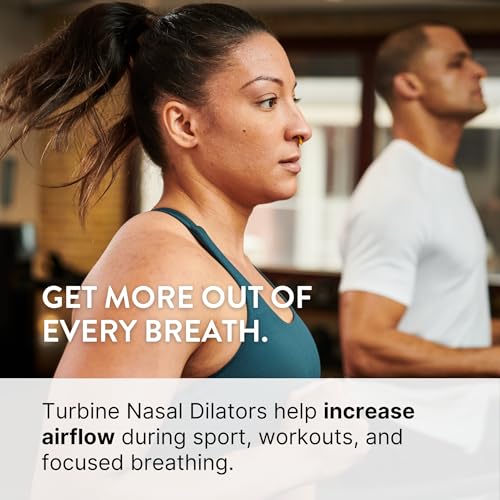
Short answer: yes—for many people. If your nose tends to collapse during exercise or you struggle to breathe through your nose at speed, this internal dilator can help. It gently opens the nasal passages from the inside. I found it most useful on tempo runs and during threshold bike efforts where every breath needs to count. On easy days, it still felt nice, but the benefits were most obvious when I pushed hard.
Two quick stories. First, 800-meter repeats: lap three is where my nostrils usually fold like lawn chairs. With this in, airflow felt steadier, so I held pace without panic breathing. Second, on a windy ride, I stayed nasal longer and kept my mouth closed on climbs. My face was calm; my legs did the drama.

My First Impression
The 3-pack arrived in compact, tidy packaging with clear sizing info. Each piece felt light and flexible, not stiff or scratchy. The design is simple: two small prongs joined by a bridge that rests just inside the nose. I rinsed it, pinched the bridge to fit, and popped it in. Setup took less than a minute, which is my favorite setup time—almost none.
On first use, I noticed a gentle “open window” feeling. Nothing dramatic, just steady space where there’s usually pinch. During a short run, my breathing felt smoother. I expected a learning curve or irritation, but it stayed put, and I forgot it was there. Surprise: I also spoke more clearly mid-run without wheezing like a haunted accordion.
What Makes It Stand Out / Key Features
- Internal nasal dilator design that opens the airway from the inside
- Lightweight, flexible material that adapts to your nose shape
- Adjustable bridge for a snug, customized fit
- Stable during high-intensity movement, running, and cycling
- Reusable and quick to clean for multiple sessions
- Subtle look—barely visible compared to external strips

What I Like
- Real airflow gains when effort gets tough
- Comfortable enough to forget about mid-workout
- Reusable, so it feels economical long-term
- Great for people whose nostrils collapse under load
- Discreet—no shiny strip across your nose in race photos
- Fast to fit and easy to rinse after use

What Could Be Better
- Not everyone loves the “in-nose” feel at first
- Sizing can take trial and error for the best seal
- May not solve structural issues beyond mild collapse

My Recommendation
If you want better intake breathing during workouts, this is a smart pick. It shines for runners, cyclists, and HIIT fans who feel nasal pinch when they go hard. It’s also a tidy option if you prefer a reusable, discreet aid over sticky strips. If you have severe obstruction or persistent congestion, talk to a pro; but for many athletes, this is a simple way to breathe easier and stay focused.
| Best for | Why |
|---|---|
| Runners and triathletes | Helps keep nasal airways open at race pace |
| Cyclists on climbs | Reduces nostril collapse during high effort, steady cadence |
| HIIT and CrossFit | Quick fit, stays put during fast, explosive moves |

Alternative Products You Can Consider
Breathe Right Extra Strength Nasal Strips: Best for folks who prefer external support with zero in-nose feel. These adhesive strips lift the sides of your nose from the outside. They’re simple and disposable, but can loosen with sweat and may be visible in photos. Great for light to moderate training and sleep.
AIRMAX Nasal Dilator: This is another internal option with a different shape. It sits just inside the nostrils and can feel very open once sized right. It’s a solid pick if you want a reusable aid but prefer a broader spread. It’s a bit more noticeable at first compared to the reviewed pick.
Mute by Rhinomed: Designed more for sleep and snoring, but it can help if your focus is nighttime breathing. It is adjustable and comfy for long wear. If your main goal is athletic performance, the reviewed option stays more stable at speed, while Mute leans toward bedtime calm.
| Product | Best For | Key Difference |
|---|---|---|
| Rhinomed Turbine | High-intensity training and racing | Stable internal fit, reusable, discreet under load |
| Breathe Right Extra Strength Strips | External support without in-nose feel | Adhesive strip; can loosen with sweat; visible |
| AIRMAX Nasal Dilator | Reusable internal aid with wider opening | Different shape; slightly more noticeable at first |
| Mute by Rhinomed | Sleep, mild snoring, gentle all-night use | Optimized for bedtime comfort over max intensity |

Final Verdict: Which Should You Buy?
If your goal is better performance breathing during workouts, the Rhinomed Turbine hits the sweet spot. It opens the nose from the inside, stays stable at speed, and is reusable. For runners, cyclists, and HIIT athletes, it offers real airflow help without fuss.
If you dislike anything inside your nose, Breathe Right Strips are a simple, external backup. For sleep-focused needs, Mute is gentle and adjustable. AIRMAX is a viable internal alternative if you want a slightly different feel. In short, pick the tool that matches your main use: high-intensity training, all-night comfort, or a quick external solution.
FAQs Of intake breathing
Does nasal dilation really improve performance?
It can help many people. By keeping your nostrils open, you reduce airflow resistance. That can make hard efforts feel smoother and help you delay mouth breathing.
Is it comfortable to wear during long workouts?
Most users adapt quickly. After a short adjustment, I barely noticed it. If it feels odd, try a different size or tweak the bridge.
Can I reuse it?
Yes. Rinse with mild soap and water, let it air dry, and store it clean. Reusability makes it cost-effective over time.
Will it help with snoring?
It may help if nasal resistance is part of the issue. For sleep-first goals, a product designed for nighttime use could be better.
What if I have a deviated septum?
Results vary. Some people still benefit; others may need medical advice. If you have persistent obstruction, consult a healthcare professional.