
[FEATURED_IMAGE_PLACEOLDER]
When it comes to blending style, comfort, and automotive passion, few apparel items capture the imagination quite like the gear shift hoodie. These unique garments—often featuring a bold gear shift graphic, racing-inspired designs, or even functional elements like actual shift knobs—have surged in popularity among car enthusiasts, streetwear fans, and anyone who appreciates a statement piece. But with so many options flooding the market—from budget-friendly knockoffs to high-end designer collaborations—it’s easy to feel overwhelmed. That’s where this guide comes in.
Whether you’re a die-hard gearhead looking to rep your love for manual transmissions or simply someone who wants a cozy, eye-catching hoodie that stands out from the crowd, making an informed decision is crucial. A poorly made hoodie might look great online but fall apart after two washes, or worse, cause discomfort during daily wear. This comprehensive buying guide will walk you through every critical factor you need to consider before hitting “add to cart.” You’ll learn how to evaluate fabric quality, assess design authenticity, understand sizing nuances, compare price tiers, and avoid common pitfalls that lead to buyer’s remorse. By the end, you’ll be equipped with expert-level knowledge to choose a gear shift hoodie that’s not just stylish, but durable, comfortable, and worth every penny.
The market for themed apparel has exploded in recent years, driven by social media trends, influencer culture, and the growing intersection of automotive lifestyle and fashion. Brands ranging from niche indie labels to major sportswear companies now offer gear shift-themed hoodies, each with varying degrees of craftsmanship and attention to detail. Some focus on hyper-realistic prints of classic shifters, while others incorporate 3D elements, glow-in-the-dark accents, or even functional components like detachable shift knobs. With such diversity comes confusion—especially when prices range from under $20 to over $200. This guide cuts through the noise, offering a clear, actionable framework to help you navigate the options and find the perfect match for your style, budget, and lifestyle.

What to Look for When Buying Trends You Miss
1. Fabric Quality & Material Composition
The foundation of any great hoodie is its fabric. For a gear shift hoodie, you’ll want a blend that balances softness, warmth, and durability. Look for heavyweight cotton-polyester blends (typically 80/20 or 70/30) with a brushed interior for added coziness. Avoid 100% polyester options unless they’re specifically designed for performance—they often lack breathability and can feel clammy. Check the GSM (grams per square meter): a rating between 300–400 GSM indicates a substantial, long-lasting fabric ideal for colder weather. Also, inspect the stitching—flatlock seams reduce chafing and increase longevity, especially around high-stress areas like the shoulders and cuffs.
2. Print Quality & Design Authenticity
A poorly executed print can ruin an otherwise excellent hoodie. Low-resolution graphics, pixelated gear shifters, or colors that bleed after washing are red flags. Opt for screen-printed or direct-to-garment (DTG) prints from reputable manufacturers—these methods offer sharper details and better wash resistance. If the design includes text (like “Manual Transmission” or “Shift Hard”), ensure the font is crisp and legible. For fans of realism, some premium brands collaborate with automotive artists to create lifelike illustrations of iconic shifters from cars like the Porsche 911 or Honda S2000. Authenticity matters: a well-researched design shows respect for the car culture it represents.
3. Fit & Sizing Accuracy
Hoodies are meant to be relaxed, but “oversized” shouldn’t mean “ill-fitting.” Always check the brand’s size chart—don’t rely solely on your usual T-shirt size. Many gear shift hoodies run large to accommodate layering, but some Asian-market brands may run smaller. Look for detailed measurements (chest, length, sleeve) rather than generic S/M/L labels. If possible, read customer reviews mentioning fit—phrases like “runs big” or “true to size” are invaluable. For a tailored look, consider slim-fit versions; for maximum comfort during long drives or lounging, go for a classic or relaxed fit.
4. Functional Features & Practicality
Beyond aesthetics, consider how you’ll use the hoodie. Do you want a kangaroo pocket for storing keys or a phone? Is a drawstring hood important for windy days at the track? Some premium models include hidden zippered pockets for valuables or reinforced elbows for durability. If you’re buying a hoodie with an actual shift knob attachment (a growing trend), verify that it’s securely fastened and doesn’t snag on car interiors. Also, check if the hoodie is machine washable—some embellished designs require hand washing, which may not suit your lifestyle.
5. Brand Reputation & Ethical Production
Not all brands are created equal. Established names like Carhartt, Champion, or independent labels like ShiftWear or Garage Built Apparel often prioritize quality control and ethical manufacturing. Research whether the company discloses its factory locations and labor practices. Avoid ultra-cheap sellers on marketplaces with no return policy—they’re often linked to fast fashion factories with questionable standards. Supporting brands that value sustainability (e.g., using organic cotton or recycled materials) also aligns with modern consumer values.
6. Price vs. Value Proposition
Price alone doesn’t determine quality, but it’s a strong indicator. A $25 hoodie might seem tempting, but it likely uses thin fabric and low-cost printing that fades quickly. Conversely, a $150 hoodie from a boutique brand might offer superior materials, custom dyes, and limited-edition designs. Ask yourself: what am I paying for? Is it the logo, the craftsmanship, or the exclusivity? The best value lies in mid-range options ($60–$100) that balance affordability with solid construction and thoughtful design.
7. Customer Reviews & Real-World Feedback
Never skip the reviews section. Look for patterns: multiple complaints about shrinkage, pilling, or print cracking signal systemic issues. Pay attention to photos uploaded by buyers—they reveal true color accuracy and fit better than studio shots. Verified purchase badges add credibility. If a hoodie has dozens of 5-star reviews but all sound generic (“Great product!”), be skeptical—they might be incentivized or fake. Genuine feedback often includes specifics like “held up after 10 washes” or “perfect for track days.”
8. Return Policy & Warranty
Even the most thorough research can’t guarantee a perfect fit or satisfaction. Choose retailers with hassle-free return windows (at least 30 days) and clear exchange policies. Some brands offer lifetime guarantees against defects in stitching or printing—a sign of confidence in their product. Avoid sellers who charge restocking fees or only offer store credit. If buying internationally, factor in potential customs duties and longer shipping times that could delay returns.
Different Types of Trends You Miss
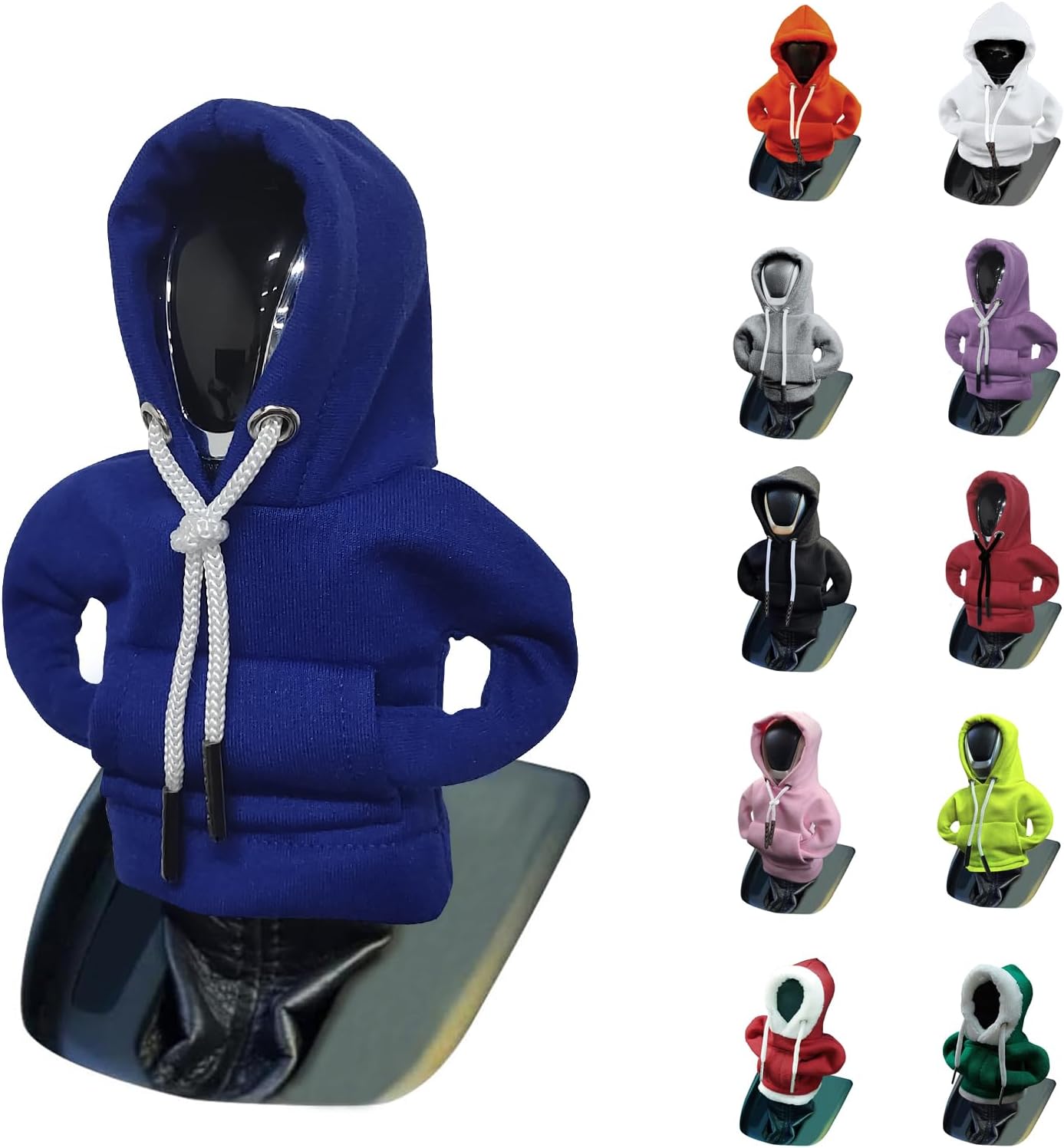
Common Buying Mistakes to Avoid

❌ Mistake: Prioritizing Price Over Quality
Why it’s bad: Cheap hoodies often use inferior fabrics and printing techniques that degrade quickly, leading to disappointment and wasted money.
What to do instead: Invest in a mid-tier hoodie with verified reviews. A $70 hoodie that lasts two years is better value than a $30 one that pills after one season.
❌ Mistake: Ignoring Size Charts
Why it’s bad: Assuming your usual size applies can result in a hoodie that’s too tight or comically oversized.
What to do instead: Measure your chest and compare it to the brand’s detailed size guide. When in doubt, size up for a relaxed fit.
❌ Mistake: Overlooking Care Instructions
Why it’s bad: Machine-washing a delicate print or embellishment can cause cracking, fading, or detachment.
What to do instead: Check the care label before buying. If hand-washing is required and you won’t comply, choose a more durable option.
❌ Mistake: Buying Based Solely on Instagram Ads
Why it’s bad: Influencer promotions often highlight aesthetics over practicality, hiding flaws like poor stitching or thin fabric.
What to do instead: Cross-reference ads with independent reviews on sites like Reddit, YouTube, or specialized forums.
❌ Mistake: Neglecting Return Policies
Why it’s bad: You might end up stuck with a hoodie that doesn’t fit or meet expectations.
What to do instead: Only buy from retailers with transparent, customer-friendly return windows—especially for online purchases.
❌ Mistake: Choosing Style Over Comfort
Why it’s bad: A hoodie with a stunning design but scratchy interior or stiff fabric will spend more time in the closet than on your body.
What to do instead: Prioritize soft, breathable materials. Comfort is non-negotiable for everyday wear.
❌ Mistake: Falling for “Limited Edition” Hype
Why it’s bad: Scarcity marketing can pressure you into overpaying for a product that may not justify its premium price.
What to do instead: Ask if the exclusivity adds real value (e.g., unique design, higher-grade materials) or is just a sales tactic.
Budget Guidelines: How Much Should You Spend?
– Entry-Level ($20–$40): Expect basic cotton blends, simple prints, and minimal durability. Ideal for occasional wear or as a gift, but not built to last. Watch for shrinkage and color fading.
– Mid-Range ($50–$90): The sweet spot for most buyers. These hoodies typically feature better fabric (300+ GSM), reinforced seams, and higher-quality prints. Brands in this range often offer accurate sizing and decent return policies.
– Premium ($100–$160): For enthusiasts who want longevity and detail. Look for organic materials, custom dyes, artist collaborations, and functional elements like embroidered logos or hidden pockets. Often made in smaller batches with attention to craftsmanship.
– Luxury ($170+): Top-tier options from designer labels or boutique automotive apparel makers. May include hand-finished details, limited runs, or integrated tech (like moisture-wicking liners). Best for collectors or those who view clothing as an extension of their passion.

Expert Tips for Getting the Best Deal
– Shop During Off-Peak Seasons: Buy winter hoodies in spring or summer when demand drops and discounts appear.
– Use Price Tracking Tools: Browser extensions like Honey or CamelCamelCamel alert you when prices dip on your wishlist items.
– Sign Up for Newsletters: Many brands offer 10–15% off your first purchase just for subscribing.
– Check Outlet Stores & Pop-Ups: Physical outlets often carry last season’s designs at reduced prices with full quality.
– Bundle Purchases: Some retailers offer discounts when you buy multiple items (e.g., hoodie + hat).
– Verify Authenticity: On resale platforms like eBay or Grailed, check seller ratings and request close-up photos of tags and stitching.
– Consider Pre-Owned: Gently used gear shift hoodies from reputable sellers can offer premium quality at mid-range prices.
– Test the Hoodie In Person (If Possible): Visit automotive expos, car meets, or specialty stores to feel the fabric and assess fit before committing.

Frequently Asked Questions
Q: Will a gear shift hoodie shrink after washing?
A: It depends on the fabric. Pre-shrunk cotton blends (common in mid-to-premium hoodies) minimize shrinkage. Always wash in cold water and air dry to preserve size and print integrity.
Q: Can I wear a gear shift hoodie to formal events?
A: Generally no—it’s casualwear. However, a minimalist design in a dark color (like black or navy) with subtle branding might work for smart-casual settings.
Q: Are functional shift knob hoodies safe to wear while driving?
A: Not recommended. The protruding knob can interfere with seatbelts, airbags, or steering. Reserve these for photo ops or car shows, not actual driving.
Q: How do I remove stains from my hoodie without damaging the print?
A: Spot-clean with a mild detergent and soft cloth. Avoid bleach or harsh scrubbing. For oil-based stains, use a bit of dish soap before washing.
Q: Do gear shift hoodies come in women’s or unisex sizes?
A: Yes—many brands now offer gender-inclusive sizing. Look for “unisex” or “women’s cut” options with tailored fits and shorter sleeves.
Q: Can I customize my own gear shift hoodie?
A: Absolutely. Sites like Custom Ink or local print shops allow you to upload your own design, including photos of your car’s shifter.
Q: Are there hoodies for automatic transmission fans?
A: While less common, some brands offer “Auto Life” or paddle-shift designs. The market is slowly expanding beyond manual-only themes.
Q: How long should a good gear shift hoodie last?
A: With proper care, a quality hoodie should last 2–4 years of regular wear. Signs of wear include pilling, seam unraveling, or faded prints.
Q: Is it worth buying from international sellers?
A: Only if they have strong reviews, clear return policies, and reasonable shipping times. Be wary of customs fees and potential counterfeit risks.
Q: What’s the difference between screen printing and DTG?
A: Screen printing uses stencils and ink layers—great for bold, long-lasting designs. DTG prints directly onto fabric like an inkjet printer—ideal for detailed, full-color artwork but may fade faster over time.
Our Final Recommendations
– Best for Budget-Conscious Buyers: Champion Reverse Weave Hoodie with Custom Gear Shift Print – Durable, classic fit, and widely available under $60.
– Best Overall Value: ShiftWear Pro Series Hoodie – 350 GSM fabric, crisp DTG print, and accurate sizing at $85.
– Best Premium Option: Garage Built Apparel Limited Edition Shift Knob Hoodie – Hand-assembled with real aluminum knob, organic cotton, and lifetime warranty ($179).
– Best for Beginners: Hanes EcoSmart Fleece Hoodie + DIY Iron-On Decal – Affordable base layer you can personalize yourself ($25 + $10 for decal).
– Best for Advanced Users: Racing Green Co. Track Day Hoodie – Moisture-wicking lining, reinforced shoulders, and reflective accents for performance-minded drivers ($140).
Conclusion: Making the Right Choice
Choosing the right gear shift hoodie isn’t just about picking the coolest design—it’s about aligning your purchase with your values, lifestyle, and budget. From fabric quality and print durability to ethical production and functional features, every detail matters. By applying the insights from this guide, you’ll avoid common traps, maximize value, and end up with a hoodie that truly represents your passion—whether you’re cruising backroads, attending a car show, or just relaxing at home.
Remember, the best hoodie is one you’ll actually wear. Don’t let trends dictate your decision; instead, let your needs lead the way. Prioritize comfort, verify quality, and don’t rush the process. And when you do find that perfect blend of style and substance, you’ll know it’s worth the investment. So go ahead—gear up, shift into comfort, and wear your passion with pride.